 PalworldZone
Nintendo's Surprising Lawsuit Against Palworld: Gameplay Patents and Industry Implications
As I sit here in 2025, reflecting on the gaming landscape, I can't help but feel like we're witnessing something truly unprecedented. When Nintendo first filed their lawsuit against Palworld developer Pocketpair, everyone expected the usual copyright battle over character designs or creature similarities. But boy, were we wrong! Nintendo took a completely different path that's got the entire gaming industry talking—and frankly, a bit nervous.

The Unexpected Legal Battle
Nintendo's lawsuit focuses on something much deeper than surface-level similarities—they're targeting the very DNA of gameplay mechanics. The gaming giant alleges that Palworld infringes on three specific patents covering fundamental gameplay features that make Pokémon games what they are. This approach feels like Nintendo is trying to patent the concept of catching creatures itself, which honestly makes me wonder—where do we draw the line between inspiration and infringement?
What really gets me is how universal these gameplay elements are across the monster-taming genre. It's like trying to patent the concept of jumping in platformers or shooting in first-person games. The legal papers specifically mention mechanics related to creature capture, training, and evolution systems—features that have become genre staples over the past decade.
Community Rallying Behind Pocketpair
The Palworld community's response has been nothing short of incredible. Fans have flooded social media with support, creating memes, artwork, and lengthy threads defending the game's creative merits. There's this overwhelming sense that Nintendo sees Palworld as a genuine threat—and honestly, can you blame them? Palworld sold over 15 million copies in its first month, bringing fresh ideas to a genre that Pokémon has dominated for decades.
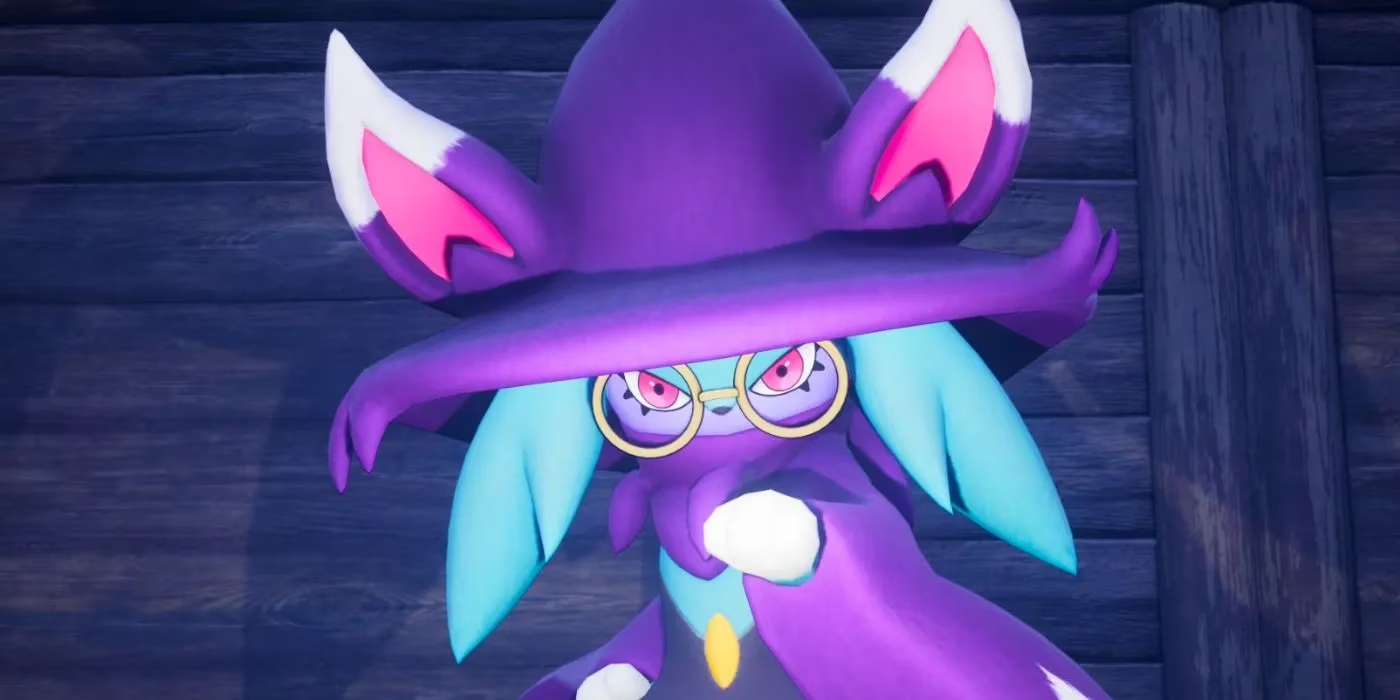
What makes Palworld special, in my opinion, is how it blends different gaming DNA:
-
Survival mechanics borrowed from games like Ark: Survival Evolved
-
Creature taming with that familiar monster-collection feel
-
Crafting systems that give purpose to exploration
-
Combat elements that include weapons alongside creature battles
Pocketpair has been incredibly transparent throughout this process, regularly updating fans and expressing gratitude for the overwhelming support. They've created something that feels both familiar and revolutionary at the same time.
The Bigger Picture: Gameplay Patents in Gaming
This case has opened up a much larger conversation about patenting gameplay mechanics—a practice that's been controversial for years. I remember when SEGA patented the green-arrow navigation in Crazy Taxi or when Namco claimed ownership of loading-screen minigames. These patents shaped—and sometimes limited—what other developers could create.
Here's what worries me about this trend:
| Concern | Potential Impact |
|---|---|
| Innovation stagnation | Developers avoiding certain mechanics for fear of lawsuits |
| Genre limitations | Certain game types becoming legally "owned" by specific companies |
| Creative freedom | Artists being unable to build upon established genre conventions |
It's like we're watching a legal drama unfold that could determine the future of game design itself. Will developers need to constantly look over their shoulders, worried that implementing common genre features might land them in court?
My Personal Take on the Situation
As someone who's loved both Pokémon and Palworld, this whole situation feels... complicated. On one hand, I understand Nintendo's desire to protect their intellectual property. But on the other hand, innovation often comes from building upon what came before. Some of gaming's best ideas emerged because developers were inspired by—and improved upon—existing concepts.
What Palworld does differently, and what makes it special in my eyes, is how it recontextualizes the monster-taming genre. It's not just about collecting creatures; it's about survival, base-building, and creating your own story in a dangerous world. The creatures aren't just companions—they're tools, workers, and weapons in a much larger ecosystem.
Looking Toward the Future
Regardless of how this legal battle concludes, it's already sparked crucial conversations about:
-
The balance between protection and innovation 🤔
-
What constitutes "fair use" in game mechanics ⚖️
-
How indie developers can navigate legal landscapes
-
The future of genre evolution in gaming 🔮
This case reminds me that gaming is at a crossroads. We're seeing incredible technological advancements, but we're also facing new challenges around creativity and ownership. The outcome could set precedents that affect not just monster-taming games, but potentially any genre where established mechanics become industry standards.
At the end of the day, I hope the industry finds a way to protect legitimate innovation while still allowing for creative evolution. Because honestly, the thought of gaming becoming a landscape where every mechanic is patented and off-limits... well, that's a future I don't want to play in.
The gaming community has shown incredible passion throughout this process, and that gives me hope. Maybe, just maybe, our collective voice can help shape a future where creativity flourishes while respecting the pioneers who paved the way. Only time will tell, but one thing's for sure—this is a story we'll be talking about for years to come.
Comments