 PalworldZone
Palworld Schematics in 2026: Rules, Farming Routes, and Crafting Wisdom
Palworld's schematic system has never been about instant power. In 2026, the game's crafting loop still rewards patience, preparation, and a little cartography. A player can level up, unlock dozens of nodes in the Technology tree, and still find that the sharpest weapon or sturdiest helmet demands a schematic. These rare blueprints are the difference between standard survival gear and equipment that can handle the toughest dungeon bosses. The good news is that schematics are not fragile one-use items; the bad news is that many players misunderstand how to store, share, and activate them. What follows is a practical, third-person guide to the rules, farming routes, and crafting habits that matter in the current version of Palworld.
Why Schematics Still Matter
Schematics are the upgrade layer beneath Palworld's visible progression. Technology points unlock the basic recipe, but schematics improve the result. A common helmet becomes stronger. A familiar weapon becomes sharper. Rare schematics can introduce unique gear that ordinary leveling cannot provide. For players who want to push deeper into dungeons, challenge stronger bosses, or simply survive with less friction, schematics are not optional collectibles; they are long-term investments.
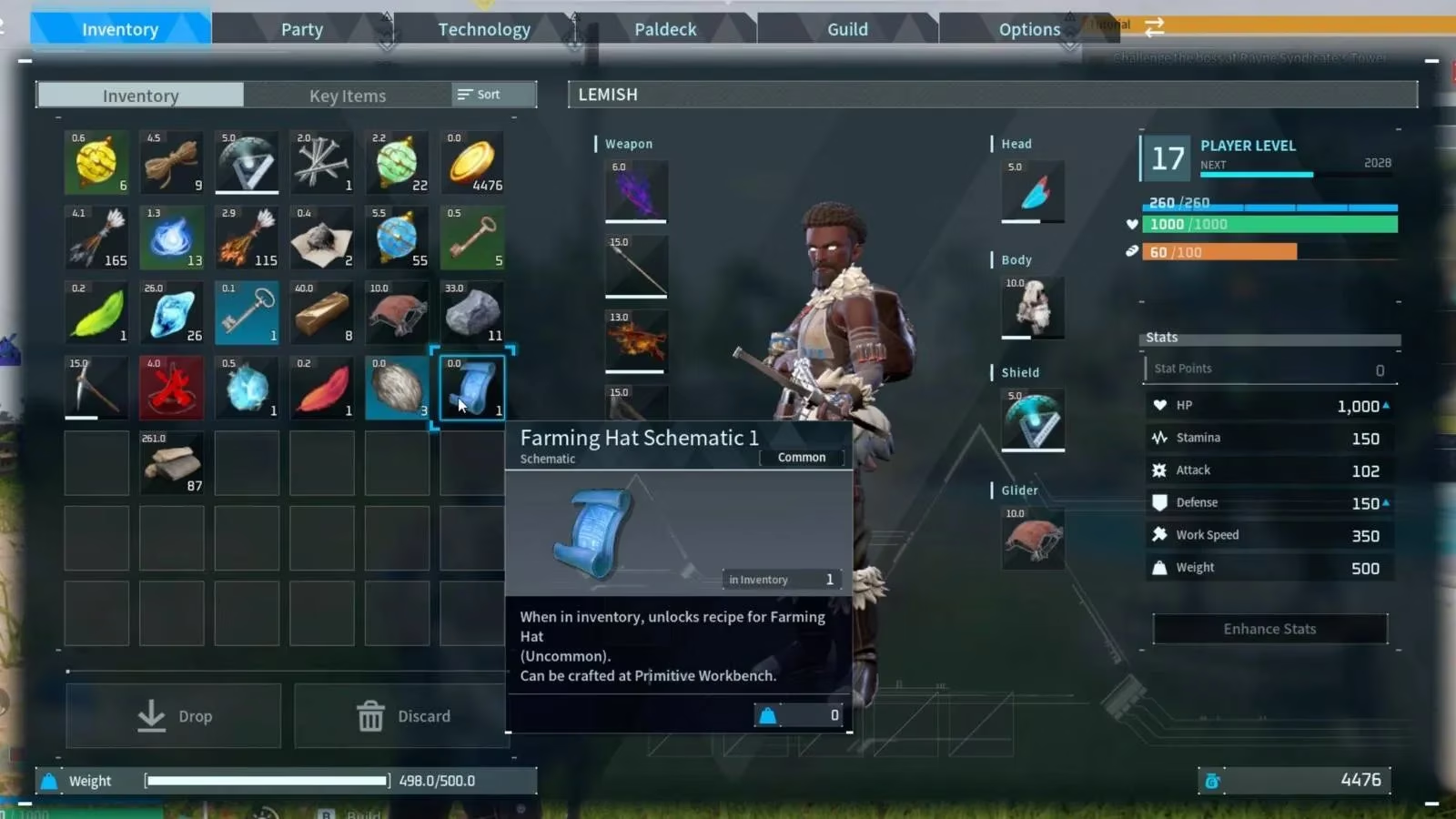
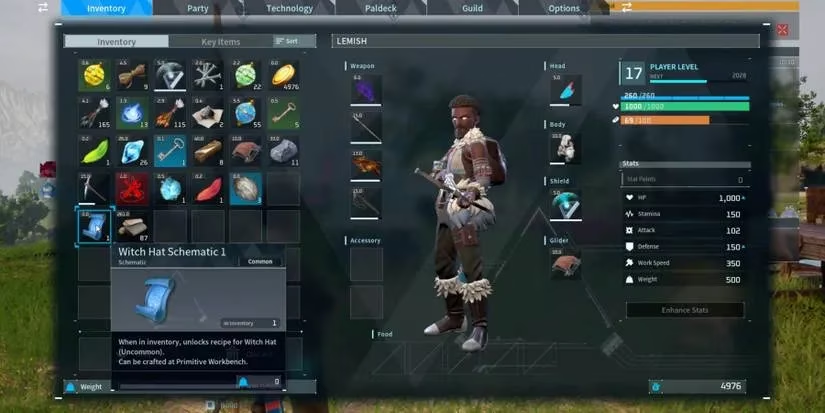
Why, then, do some players still overlook the simplest rules? The answer is usually inventory management. A schematic sitting in a chest is knowledge locked away. A schematic thrown near a workbench is clutter. To use a schematic, the item must be in the player's inventory. The player then interacts with the production station named in the schematic's description while holding the schematic. Only after that can the new item be crafted or the old one improved, provided the required ingredients have been gathered.
The Core Rules Every Player Should Know
| Rule | What It Means in Practice |
|---|---|
| ♾️ Unlimited reuse | A schematic is not consumed. Players do not need to find the same blueprint again after crafting. |
| 🎒 Inventory required | The schematic must be carried by the player. Storage chests and ground drops do not activate the recipe. |
| 🛠️ Correct station | The production station must match the schematic's description. Holding the schematic and interacting with that station starts the crafting flow. |
| 🌳 Technology tree gate | Some schematics work immediately, while others require the base item to be unlocked in the Technology tree first. |
| 👥 Shared on servers | Schematics are not personal. In co-op, friends can pool them in a chest and use them when needed. |
That last point is especially valuable in 2026's co-op-focused meta. A group can split exploration duties, gather schematics from different regions, and centralize the best blueprints for the whole team. One player may find a weapon schematic in a dungeon while another buys a useful armor schematic from a wandering merchant. The team then shares the knowledge without duplicating effort.
How to Farm Schematics in 2026
There are three familiar routes, and each serves a different stage of progression. Major patches can adjust drop tables, so players should treat the following as a strategic framework rather than a permanent spreadsheet.
📦 Chests: The Beginner's Lottery
Opening chests across the world remains the simplest entry point. The chance of finding a rare schematic is not high, and the quality is usually modest. Even so, chest hunting suits new players because it combines exploration, resource gathering, and combat practice. Is it worth farming chests endlessly? Not for top-tier gear. Is it worth opening every chest along a route? Almost always, because the cost is low and the occasional useful blueprint can smooth out early progression.
🛒 Merchants: Expensive but Occasionally Excellent
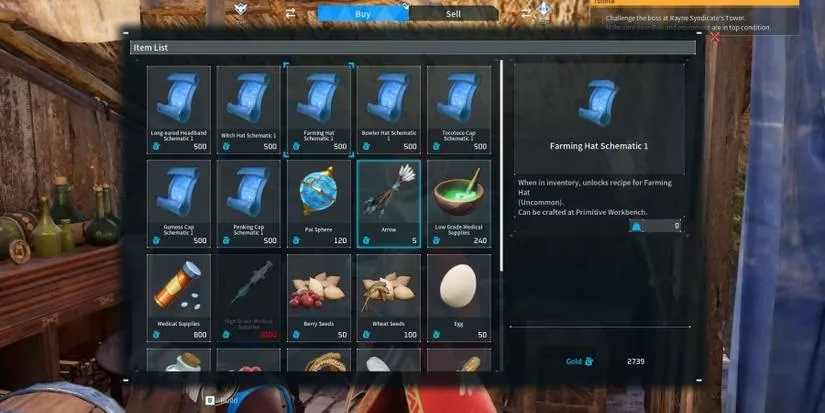
Wandering NPCs do not always stock schematics, and their prices can be painful. Yet merchants sometimes offer genuinely useful recipes that save hours of dungeon farming. Players with excess gold or a clear crafting goal should check merchant inventories whenever possible. The key is discipline: buy a schematic because it fills a gap, not because it is shiny.
🐉 Dungeon Bosses: The Reliable Gold Standard
The most dependable source of rare and valuable schematics is still the dungeon boss. After defeating the final enemy, players can search the treasure room. Among the rewards, schematics appear with enough regularity to justify repeated runs. The harder the boss, the more valuable the reward tends to be. What separates a lucky find from a reliable farm? Preparation. Players need the right Pals, weapons, armor, and healing supplies before treating dungeon bosses as a schematic pipeline.
A Practical Crafting Workflow
-
🎯 Decide which gear slot needs improvement.
-
📜 Confirm the schematic is in the player's inventory.
-
🌳 Check whether the base item is unlocked in the Technology tree.
-
🧱 Move to the correct production station.
-
🪨 Gather every required ingredient before starting.
-
🔁 Craft freely, because the schematic will not disappear.
This workflow prevents the most common frustration: arriving at a workbench with a schematic that cannot yet be used. It also keeps co-op groups organized. Instead of every player hoarding blueprints, the team can assign a quartermaster who stores schematics in a shared chest and retrieves them when a crafting session begins.
Common Mistakes and Co-op Tactics
One recurring mistake is leaving a schematic in a chest while standing at the workbench. Another is assuming every schematic is immediately usable. In practice, some recipes require prior Technology tree progress. A third mistake is treating schematics as personal loot on a shared server. They are not. Friends can collect them together, store them centrally, and use them when the group is ready.
In 2026, the smartest players treat schematics as knowledge, not treasure. Knowledge can be copied, shared, and reused. Treasure can be lost. That distinction is what makes Palworld's blueprint system endure: it rewards exploration, boss hunting, and teamwork without punishing players for crafting the same item twice. The rarest schematics may demand long expeditions, but once they are in hand, they become permanent tools for the whole group.",
"_note": "English output, JSON format, markdown content, images from provided references, no external text links.
Comments